
New Mexico Declares Wildfire Awareness Month as Torrance County Residents Brace for Another Dangerous Season
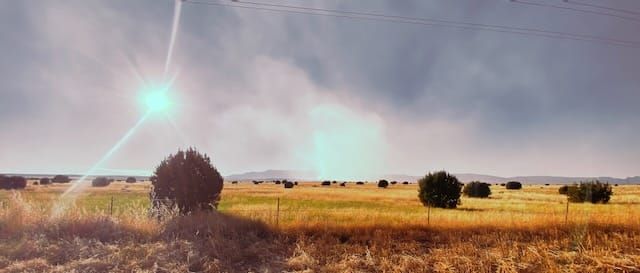
The Manzano Mountains have burned before. For Torrance County residents who lived through the 2016 Dog Head Fire, the smell of smoke in a dry spring wind is not abstract. It is a memory. With New Mexico's Office of the Superintendent of Insurance launching Wildfire Awareness Month this week, local officials and state agencies are urging residents to treat the coming months as a window for preparation, not a time to wait and see if there will be wildfires.
"Wildfire Awareness Month is an important time to remind New Mexicans that preparation today can make a major difference tomorrow," said Melissa Robertson, Bureau Chief of the Property and Casualty Bureau at OSI, in a statement released Monday, May 5, 2026. "Throughout the entirety of the year but especially during increased months of wildfire risk, OSI is committed to helping consumers take steps to protect their home and property, understand their coverage, prepare financially, and access resources before and after a wildfire."
A County That Knows Fire
Torrance County's wildfire history is not a distant abstraction. The landscape — a mix of Manzano Mountain forest, high desert grassland, brush, and drought-stressed timber — has produced some of central New Mexico's most destructive recent blazes.
The most significant fire in the county's recent memory is the Dog Head Fire, which ignited on June 14, 2016, on National Forest land near the border of Isleta Pueblo and south of the Chilili Land Grant. What started at six to eight acres exploded across the Manzano Mountains, eventually burning nearly 18,000 acres across private land and the Cibola National Forest. At least 24 residences and 21 other structures were destroyed. Evacuations stretched across portions of Torrance and Bernalillo counties. Then-Governor Susana Martinez declared a state of emergency and activated the National Guard. The Federal Emergency Management Administration approved a grant to cover 75 percent of firefighting costs. A shelter for displaced people, pets, and livestock was established at the Torrance County Fairgrounds in Estancia.
Eight years before that, the Big Spring Fire, caused by a lightning strike, ignited on June 25, 2008, and burned 5,478 acres in the Manzano Mountains before it was brought under control. The fire scars from both blazes significantly altered the vegetation across large portions of the mountains, and the ecological effects persist to this day.
In July 2020, the Ojo de Los Casos Fire ignited near New Mexico 337 and Raquel Road near Chilili, burning the north end of the Manzano Mountains. The fire was ultimately contained at 180 acres — in part because its eastern spread slowed when it reached the burn scar left by the 2016 Dog Head Fire.
More recently, the Cummings Fire broke out on the afternoon of March 9, 2026, east of Moriarty. The fire burned in grass and brush, threatening multiple structures and prompting mandatory evacuations of nearby homes. It was visible from US-40. Crews reached 60 percent containment within 24 hours, and the fire was ultimately held to just under 100 acres. Evacuated residents were allowed to return.
What Is Causing Fires — and What Residents Are Doing to Start Them
One of the central messages of Wildfire Awareness Month is that most wildfires do not start themselves. State agencies point to a recurring list of human activities that ignite fires during peak conditions: burning debris without adequate preparation, leaving campfires unattended or improperly extinguished, and vehicle maintenance failures — including dragging trailer chains or parking on dry grass, which can ignite dry fuel directly beneath a vehicle.
"Community participation in wildfire prevention is absolutely key," said Laura McCarthy, State Forester with the New Mexico Forestry Division at the Energy, Minerals, and Natural Resources Department. "Wildfire prevention starts at the local level. When communities work together to create defensible space, follow fire safety guidance, and stay informed, we can significantly reduce risk and better protect lives, property, and natural resources."
For Torrance County, where agricultural operations, ranching, and rural residential properties are common, these risks are directly applicable. Torrance County Emergency Manager Samantha O’Dell has responded by helping residents build “go bags” over the last two years.
What Should Be In Your Go Bag?
The Federal Emergency Management Administration developed Ready.Gov to inform Americans regarding what should be in their go bags, but the list is not perfect. Here’s what they recommend for go bags, along with additional suggestions made in italics based on the US Army’s guide to survival, FM 3-05.70 (formerly known as FM 21-76) and personal experience.
Basic Disaster Supplies Kit
To assemble your kit, store items in airtight plastic bags and put your entire disaster supplies kit in one or two easy-to-carry containers. While FEMA recommends containers like plastic bins or a duffel bag, which work fine in an automobile, a backpacking internal- or external-frame pack works best if your vehicle is disabled.
A basic emergency supply kit should include the following recommended items:
- Water (one gallon per person per day for several days, for drinking and sanitation) and a water purification device, such as those made by Lifestraw or Grayl, or water purification tablets and a bandana through which you can strain your water.
- Food (at least a
several-day72-hour supply of non-perishable food, with an additional seven-day supply of non-perishable food in your home, at minimum), a backpacking stove and backpacking cookware, and a few lighters - Battery-powered or hand-cranked radio and a NOAA Weather Radio with tone alert
- Flashlight (in the military, the saying regarding survival is “two is one, and one is none,” for that reason, two flashlights are recommended)
- First aid kit (to include a tourniquet, a sharpie or other marker for writing down on an injured person when that tourniquet was applied, anti-diuretic medications to avoid dehydration, benadryl for allergic reactions, a quick-clotting bandage, a chest-venting bandage, and, in our environment, SPF 50 sunscreen; those interested in how to fill their first aid kit should explore the Google Search “what goes in an IFAK.”)
- Extra batteries (not just for flashlights, but also charging units and cables for phones, and extra batteries for hearing aids and other medical devices)
- Whistle (to signal for help)
- Dust mask (to help filter contaminated air)
- Plastic sheeting, scissors, and duct tape (to shelter in place; it would be much easier to purchase a tarp, 550 cord AKA paracord, and some tent stakes, although duct tape is always useful)
- Moist towelettes, garbage bags and plastic ties (for personal sanitation)
- a multitool, wrench, or pliers, and the knowledge of how to turn off and on utilities to your home
- Manual can opener (for food)(tear-to-open dehydrated backpacking meals and a multitool eliminate the need for this)
- Local maps, a compass/global positioning system (GPS), and the knowledge of how to use a map and compass or map and GPS if you prefer a digital tool
Additional Emergency Supplies
Consider adding the following items to your emergency supply kit based on your individual needs:
- Soap, hand sanitizer, and disinfecting wipes to disinfect surfaces (this should not be considered optional as dysentery and cholera caused by poor sanitation can be fatal)
- At least a week’s worth of prescription medications. About half of all Americans take a prescription medicine every day. An emergency can make it difficult for them to refill their prescription or to find an open pharmacy.
- Spare prescription eyeglasses, sunglasses, and contact lens solution
- Infant formula, bottles, diapers, wipes, and diaper rash cream
- Pet food (and pet medication) and extra water for your pet
- Cash (
or traveler's checksnowadays, traveler’s checks are out of date, but do not rely on debit or credit cards that require internet access, as card readers might not work) - Important family documents such as copies of insurance policies, identification(s), and bank account records saved electronically
oron a thumb drive or portable SSD drive and in a waterproof, portable container - Sleeping bag or warm blanket for each person (I recommend wool blankets and synthetic sleeping bags, as their warmth is not affected by being waterlogged like down is)
- Complete change of clothing appropriate for your climate and sturdy shoes (do not forget that you should prepare clothing for all four seasons, to avoid hypothermia in the winter or hyperthermia in the summer)
- Fire extinguisher
- Matches in a waterproof container, a lighter, and a flint and steel or other tertiary fire-starting capability
- Feminine supplies and personal hygiene items
- Mess kits, paper cups, plates, paper towels, and plastic utensils
- Paper and pencil
- Books, games, puzzles or other activities for children
Maintaining Your Kit
After assembling your kit, remember to maintain it so it is ready when needed:
- Keep canned food in a cool, dry place (again, dehydrated backpacking food is lighter, and should be used in a go bag; canned food should be used only for long-term, in-home, preparedness).
- Store boxed food in tightly closed plastic or metal containers.
- Replace expired items as needed.
Re-think your needs every year and update your kit as your family’s needs change. Typically, New Year’s Day is a good marker for when to check your go bags.
Kit Storage Locations
Since you do not know where you will be when an emergency occurs, prepare supplies for home, work and cars. (A good approach is to have a 24-hour kit in a car or one’s work bag, a 72-hour kit in the car or home, depending on preference and lifestyle, and a 30-day kit at one’s home.)
Home: Keep this kit in a designated place and have it ready in case you have to leave your home quickly. Make sure all family members know where the kit is kept.
Work: Be prepared to shelter at work for at least 24 hours. Your work kit should include food, water and other necessities like medicines, as well as comfortable walking shoes, stored in a “grab and go” case.
Car: In case you are stranded, keep a kit of emergency supplies in your car.
Insurance and Coverage: The Part People Overlook
NMOSI's Wildfire Awareness Month campaign specifically addresses a concern that has been growing across the West: insurance. Some New Mexico homeowners in high-risk areas have faced policy non-renewals in recent years, leaving them exposed in exactly the situations they most need coverage.
OSI Superintendent Alice Kane addressed the issue directly. "We recognize that many New Mexicans live in high-risk wildfire areas and some are facing difficult insurance challenges, including non-renewals," Kane said. "Our office is here to help consumers understand their options, connect them with resources, and make sure they are not navigating these challenges alone."
Residents who are unsure about their current coverage — particularly those living in the wildland-urban interface, where development meets wildland vegetation — are encouraged to review their homeowners’ policies now, before fire season peaks.
Throughout May, OSI will release a series of informational updates covering fire-sparking activities, tool and mechanical hazard recommendations, how to identify and report hazards, go-bag essentials, and other preparedness topics.
What Torrance County Residents Can Do Now
State agencies recommend a layered approach to wildfire preparedness:
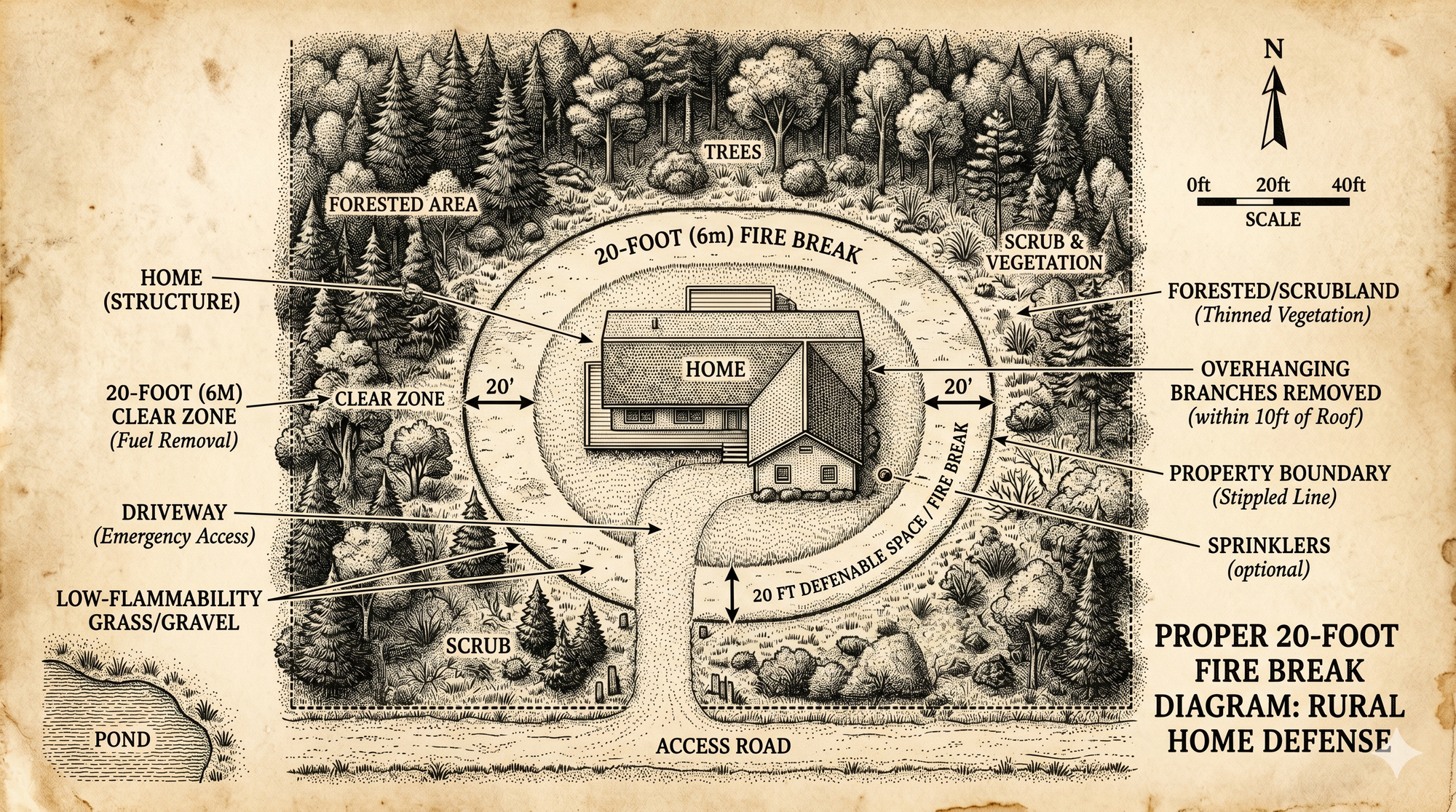
- Create and maintain defensible space around structures by clearing dry grass, brush, and debris — especially within 30 feet of any building. More detailed guidance is available through the New Mexico Forestry Division.
- Review insurance coverage with a licensed agent, paying particular attention to replacement cost coverage and any exclusions related to wildfire.
- Prepare a go-bag with essential documents, medications, identification, and a few days' worth of supplies — and know your evacuation route before you need it.
- Avoid burning debris during Red Flag conditions. Check current fire restrictions before lighting any outdoor fire. As of April 6, 2026, New Mexico has imposed the following burn prohibitions:
- Outdoor Smoking
- Fireworks
- Campfires and other outdoor fires
- Prescribed, open, agricultural and/or debris burning
- Flaring of gas related to oil and gas production
- Exceptions are allowed for certain prohibited actions in specific cases or when specific conditions are met.
- The state forester may allow additional exceptions upon receiving a written request.
- Maintain vehicles, especially trailers. Dragging chains on dry pavement or parking on tall dry grass are documented fire-starting hazards.
- Residents interested in joining Torrance County's emergency volunteer program can contact Torrance County Emergency Management at sodell@tcnm.us.
More information on wildfire preparedness and insurance resources is available from OSI's wildfire resources page. Additional guidance on defensible space and wildfire prevention is available from the New Mexico Forestry Division. The Wildfire Prepared Home program offers a national framework for hardening residential structures against wildfire.
Torrance County residents are also encouraged to sign up for TextMyGov emergency alerts to receive real-time notifications tailored to their needs:
- Text TORRANCE COUNTY to 80946 for general notifications and emergency alerts.
- Text TORRANCE FIRE ALERTS to 80946 for information on prescribed burns or active fires in the area.
- Text TORRANCE NWS to 80946 to receive weather-related alerts.
The Mountainair Dispatch covers civic affairs, public safety, and community news in Torrance County, New Mexico. For more coverage of wildfire or emergency management, click here or here, respectively.